
OUR SERVICES
Cooling System, Coolant Leak & Water Pump Repairs
Modern cooling systems are more complex than simply a radiator and water pump. Depending on the vehicle, they can include electrical or mechanical water pumps, electronically controlled thermostats, multiple coolant circuits, auxiliary pumps, charge air coolers and temperature control valves.
At Recharged Automotive in Worcester, we diagnose and repair coolant loss, overheating, poor heater performance, leaking charge air coolers, water pump failures and other cooling system faults across the German vehicles we specialise in. From a simple leaking hose or thermostat housing, through to failed electric water pumps and more involved multi-circuit cooling system faults, we identify the cause properly and repair it using the correct parts, coolant and manufacturer procedures.
Cooling System Repairs in Worcester
Modern cooling systems do far more than simply control engine temperature. Depending on the vehicle, they may manage separate cooling circuits for the engine, turbocharger, charge air cooler, gearbox, hybrid system and other temperature-sensitive components.
We diagnose and repair coolant leaks, overheating faults and circulation problems across the complete system, including water pumps, thermostats, radiators, hoses, expansion tanks, auxiliary pumps, control valves and leaking charge air coolers.
Correct diagnosis is important because coolant loss is not always caused by the component where the leak first appears. We pressure-test and assess the system properly, identify the source of the fault and repair it using the correct parts, coolant and manufacturer procedures.
Recharged Automotive
Get A Free Quote
Speak to our team about any issues, servicing, diagnostics or repair work for your vehicle. Reliable workmanship and honest advice from experienced technicians.
- 01905 458156
- hello@rechargedautomotive.com
- Mon-Fri 8am-5pm
- Unit 10, Checketts Lane Industrial Estate, Checketts Lane, Worcester, WR3 7JW
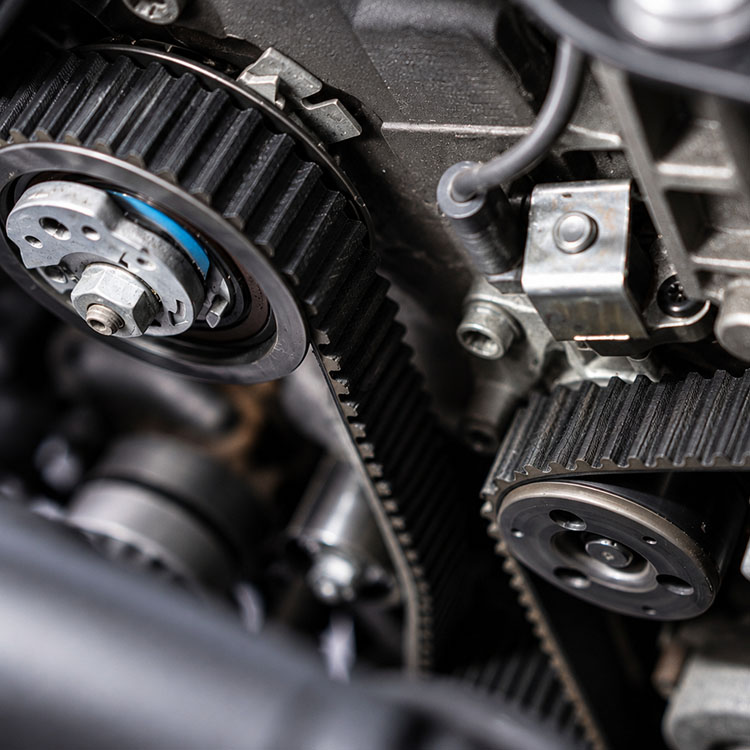
Cooling system repairs in Worcester
Our Cooling System Services Include:
- Mechanical and electric water pump replacement
- Auxiliary water pump replacement
- Thermostat and coolant control valve replacement
- Coolant leak diagnosis and pressure testing
- Radiator, hose, flange and expansion tank repairs
- Charge air cooler and EGR cooler diagnosis and replacement
- Cooling fan, temperature sensor and electrical fault diagnosis
- Hybrid and EV cooling system repairs, including PTC heater and auxiliary cooling circuit faults
- Coolant replacement, flushing, vacuum filling and bleeding where required
- Overheating, poor heater performance and coolant circulation diagnosis
Common cooling system problems we fix
Coolant leaks and coolant loss
Engine overheating
Poor or inconsistent heater performance
Cooling system warning lights and electrical faults
Cooling system repairs in Worcester
What does the water pump do?
The water pump circulates coolant through the engine and cooling system, carrying heat away from the engine and transferring it through the radiator and other heat exchangers.
Depending on the vehicle, the pump may be mechanically or electrically driven, and modern vehicles can use several auxiliary pumps to control separate cooling circuits for components such as the turbocharger, charge air cooler, gearbox, hybrid system and cabin heating.
If coolant circulation is reduced or stops altogether, the engine can quickly overheat and suffer serious damage.
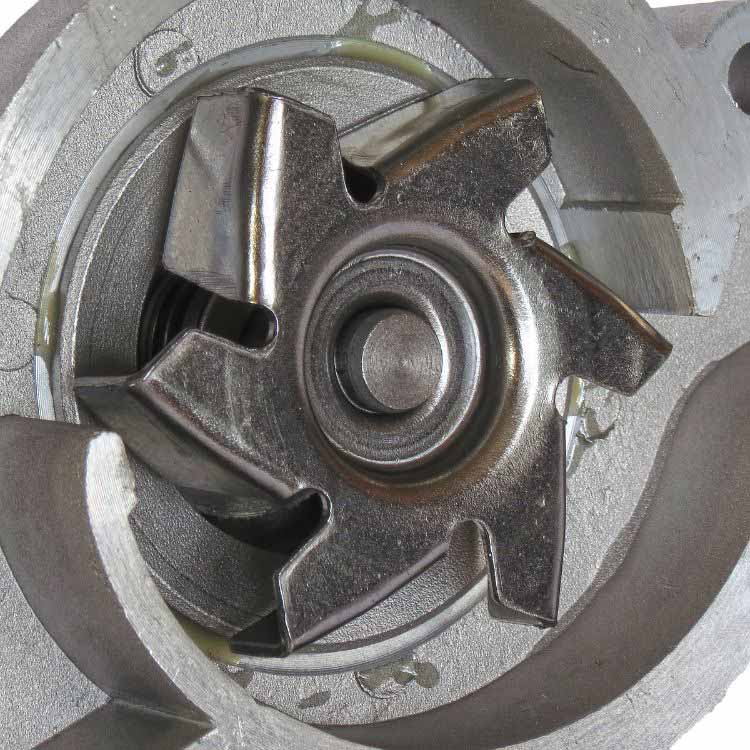
How It Works
Contact Us
Get in touch with our team to discuss your vehicle, the issues you’re experiencing or any servicing and repair work you may require.
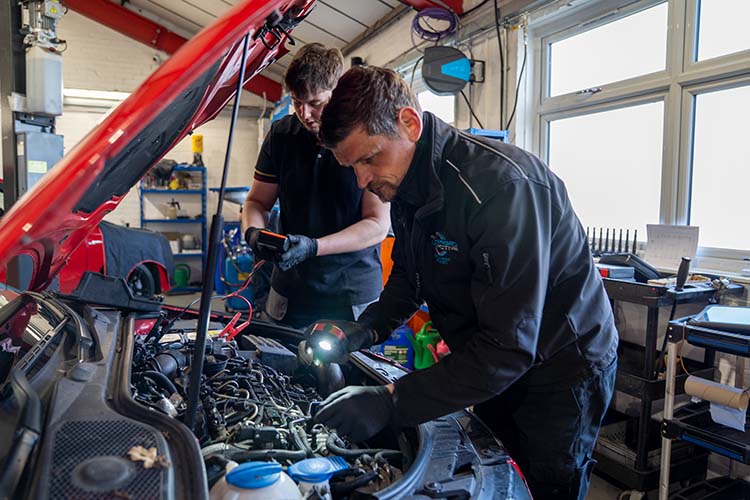
We Get To Work
Our experienced technicians carry out thorough inspections, diagnostics, servicing and repair work using quality parts and trusted workshop equipment.
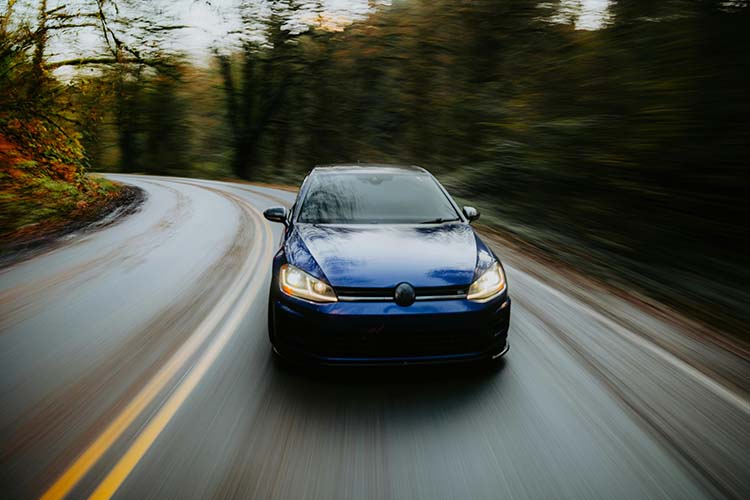
You're Back On The Road
Once the work is complete, your vehicle is ready to get back on the road performing safely, reliably and at its best.
Why choose Recharged Automotive?

60+ Years Experience
Experienced technicians with German vehicle expertise

German Vehicle Specialists
Audi, BMW, Mercedes-Benz, Volkswagen, Porsche & more

250+ GOOGLE REVIEWS
Customers value our honest advice and quality workmanship.

ADVANCED DIAGNOSTICS
Manufacturer-level equipment for accurate fault finding.
Recharged Automotive Worcester
What our customers are saying
Recharged Automotive
Get A Free Quote
Need help with your vehicle? Contact our team to discuss servicing, diagnostics or repair work with experienced technicians you can rely on.
FAQs | Cooling System Repairs
Here you’ll find the answers to some of the most common questions about a car’s cooling system, how it can become damaged, and the repair process. If you notice any problems with your vehicle’s temperature regulation, get in touch with our team today who can diagnose and repair the issue.
Why is the water pump important in a car?
The water pump keeps coolant circulating through the engine and cooling system so heat can be carried away efficiently.
If the pump fails or coolant circulation is lost, the engine can overheat very quickly. Continued driving can cause severe damage including cylinder head distortion, head gasket failure, and, in extreme cases, complete engine failure. What may begin as a relatively simple cooling system fault can therefore become a very expensive repair if ignored.
What can cause a water pump to fail?
Common causes include:
- Seal failure, allowing coolant to leak from the pump
- Worn bearings, which can cause noise, play or eventual pump failure
- Incorrect, contaminated or degraded coolant, which can damage seals and internal components
- Drive belt or tensioner problems on mechanically driven pumps
- Electrical or control faults on modern electric water pumps
- Internal impeller damage or deterioration, which can reduce coolant circulation even if the pump is still turning
- Age, heat cycling and general wear, particularly on pumps with plastic housings or components
On modern German vehicles, water pump faults are not always a simple mechanical failure, so correct diagnosis is important before replacing the pump.
What are the signs that the water pump needs repairing?
Common signs of a failing water pump include:
- Coolant leaks or unexplained coolant loss
- Engine overheating or fluctuating coolant temperature
- Poor or inconsistent cabin heating
- Grinding, whining or rumbling noises from the pump area
- Cooling fans running excessively
- Coolant warning messages or engine warning lights
- Fault codes relating to coolant circulation or electric water pump operation
Some electric water pumps can fail without any visible leak or noise, so proper diagnosis is important before replacing the pump.
How often does a water pump need replacing?
There is no fixed replacement interval for most water pumps. Some will last well beyond 100,000 miles, while others can fail much earlier depending on the design, coolant condition, servicing and how the vehicle is used.
Where the water pump is driven by the timing belt, it is often replaced as part of the scheduled timing belt service because of the additional labour and the consequences of a later failure.
Otherwise, we normally replace the pump when there is evidence of leakage, bearing wear, poor circulation, electrical failure or another confirmed fault. Regular servicing can help identify developing coolant leaks before they become more serious.
Why is my car losing coolant but I can’t see a leak?
Coolant loss does not always leave an obvious puddle. Some leaks only appear when the system is hot and pressurised, while others can evaporate on hot engine components before reaching the ground.
Common causes include leaking hoses, radiators, thermostats, expansion tanks, EGR (exhaust gas recirculation) coolers, charge air coolers, heater matrix and water pumps. Coolant can also be lost internally through engine or cylinder head gasket faults.
We can pressure-test the cooling system and carry out further testing where required to identify the source accurately before replacing parts.
Can I drive with a coolant warning light on?
A coolant warning should always be taken seriously because it may indicate either low coolant level, loss of coolant circulation or excessive engine temperature.
If the warning is for low coolant, the system should be checked before continuing. A falling level usually means coolant is escaping somewhere, even if there is no visible leak. If the expansion tank is empty or the level is significantly below minimum, do not continue driving until the cause has been assessed and the system correctly refilled.
If the engine temperature is rising, a red temperature warning appears, the heater suddenly starts blowing cold air, or there is steam from the engine bay, stop the vehicle and switch the engine off immediately. These can indicate loss of coolant or circulation, and continued driving can quickly lead to cylinder head distortion, head gasket failure or severe engine damage.
Never remove the expansion tank or radiator cap while the cooling system is hot. The system operates under pressure and releasing the cap can cause boiling coolant and steam to escape suddenly, creating a serious risk of burns to the skin and eyes.
If coolant needs topping up, allow the engine and cooling system to cool fully before opening the cap. If you are unsure whether it has cooled sufficiently, do not open it. As an added precaution, use a suitable non-porous barrier or protective covering between yourself and the cap, keep your face and body clear of the opening, and release any remaining pressure slowly.
Do hybrid and electric vehicles have cooling systems?
Yes. Hybrid and electric vehicles can use several separate cooling circuits to manage the temperature of the high-voltage battery, electric motors, power electronics, onboard charger and cabin heating system.
These systems can include electric water pumps, control valves, heat exchangers and PTC heaters. Many hybrid and electric vehicles also have manufacturer-specified coolant inspection or replacement intervals, so the coolant still forms an important part of routine servicing rather than being ignored simply because there is no conventional engine.
The correct coolant specification, filling and bleeding procedure is particularly important, as some vehicles use multiple cooling circuits with specific service procedures.
How do I book a cooling system repair in Worcester?
If you notice any signs that your car’s cooling system is damaged, get in touch today. We can get your car booked in, inspect the water pump for any faults, and fix the issue so you can get back on the road.
Let's get you back on the road.
German car specialists delivering expert servicing, diagnostics and repairs to keep your vehicle performing at its best and get you back on the road with confidence.