
OUR SERVICES
Cambelt Replacement
Here at Recharged Automotive in Worcester, we offer a Cambelt/Timing Belt replacement service which is carried out by our team of experienced technicians. Our expert team can advice on whether your timing belt is due for to be replaced.
Timing Belt Repairs in Worcester
Due to the nature of the Cambelt/Timing Belt material, there’s usually no warning of when it’s about to break. It’s crucial to follow the manufacturer’s intervals, ensuring it’s replaced on time to prevent expensive repairs later down the line. Our experienced team is on hand to help.
Recharged Automotive
Get A Free Quote
Speak to our team about any issues, servicing, diagnostics or repair work for your vehicle. Reliable workmanship and honest advice from experienced technicians.
- 01905 458156
- hello@rechargedautomotive.com
- Mon-Fri 8am-5pm
- Unit 10, Checketts Lane Industrial Estate, Checketts Lane, Worcester, WR3 7JW
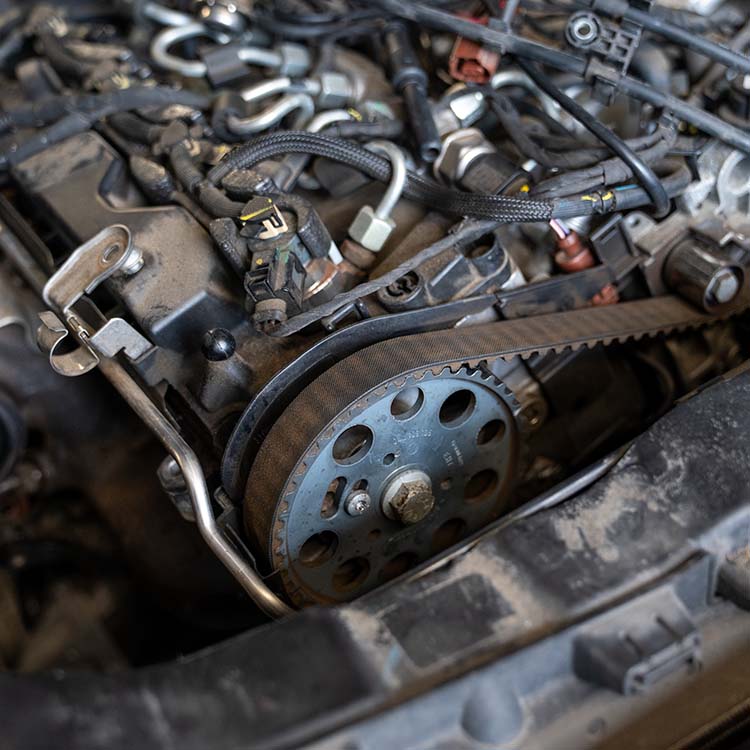
Cambelt Replacement In Worcester
Our Cambelt Services Include:
- Cambelt/Timing Belt Replacement
- Water Pump/Tensioner/Idlers/Auxiliary Drive Belt Replacement
- Timing Belt System Repairs - Camshaft Adjusters/Phasers
- Cambelt/Timing Belt Diagnosis
- VW/Audi/Skoda/SEAT - Petrol TFSI Electronic Cam Timing Belt Replacements
- Repairs Following Cambelt/Timing Belt Failures
What Does The Cambelt/ Timing Belt Do?
The cambelt (or timing belt) is used to link and synchronise the crankshaft and camshaft to control the opening and closing of the engine valves. The crankshaft controls the pistons moving up and down, and the camshaft controls the intake and exhaust valves opening and closing. The belt is responsible for keeping them coordinated (hence the name “timing” belt). If the timing belt slips or is damaged, then the camshaft and crankshaft will become out of sync, causing the pistons to hit the valves and severely damage the engine.
Timing Belt Replacement In Worcester
Is there usually any warning that the timing belt is about to break?
Due to the nature of the material, there is usually no warning when the cambelt is about to break and this will often happen suddenly. If the cambelt snaps, then the pistons and valves will collide, resulting major engine damage almost instantly. You should have the cambelt replaced at intervals outlined by your manufacturer.
How It Works
Contact Us
Get in touch with our team to discuss your vehicle, the issues you’re experiencing or any servicing and repair work you may require.
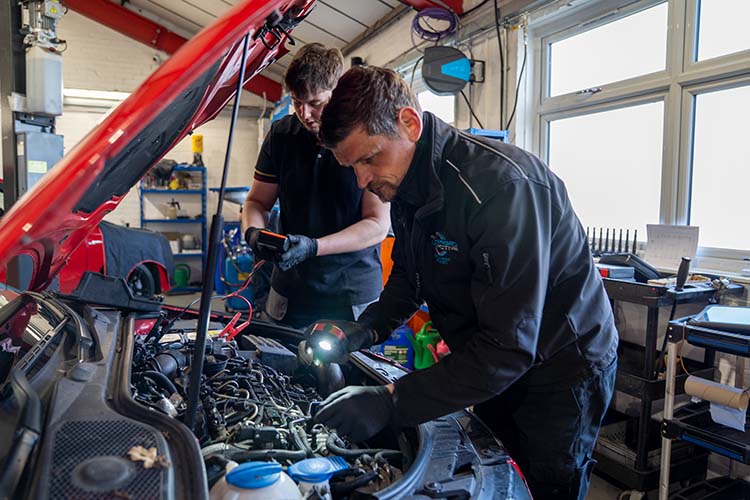
We Get To Work
Our experienced technicians carry out thorough inspections, diagnostics, servicing and repair work using quality parts and trusted workshop equipment.
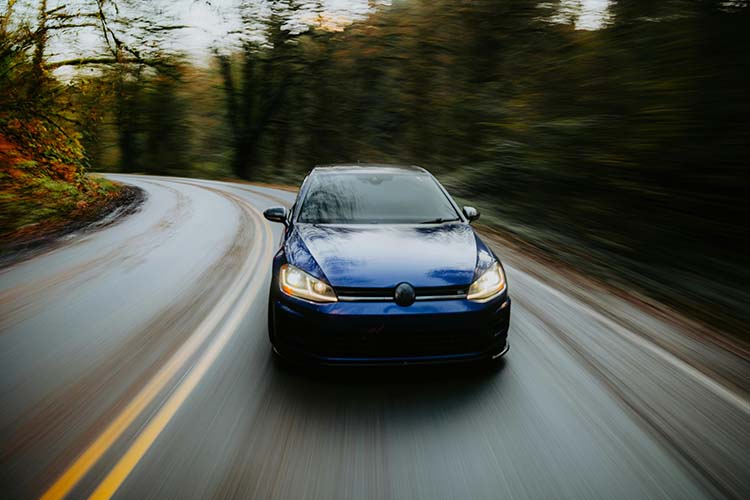
You're Back On The Road
Once the work is complete, your vehicle is ready to get back on the road performing safely, reliably and at its best.
Why choose Recharged Automotive?

60+ Years Experience
Experienced technicians with German vehicle expertise

German Vehicle Specialists
Audi, BMW, Mercedes-Benz, Volkswagen, Porsche & more

250+ GOOGLE REVIEWS
Customers value our honest advice and quality workmanship.
ADVANCED DIAGNOSTICS
Manufacturer-level equipment for accurate fault finding.
Recharged Automotive Worcester
What our customers are saying
Recharged Automotive
Get A Free Quote
Need help with your vehicle? Contact our team to discuss servicing, diagnostics or repair work with experienced technicians you can rely on.
FAQs | Timing Belt/Cambelt Repairs
Below you’ll find answers to some of the most frequently asked questions about timing belts and cambelts. Get in touch with our team today.
Is a timing belt the same thing as a cambelt?
Yes, timing belts and cambelts are the same thing. In the UK, the term “cambelt” is generally used more often.
How often does the cambelt/ timing belt need replacing?
As a broad guide on most vehicles, the cambelt needs replacing every 50,000 to 100,000 miles. On more modern engines, it can be slightly longer than this, but on older engines it is usually slightly less.
As a VW/Audi specialist we strongly advise replacement of the diesel and petrol cambelts are replaced every 80,000 miles or 5 years (whichever is sooner) on all models. We are aware VWAudi Group have changed the cambelt interval guidance within the last few years, to extend the interval to 140,000 miles or 15 years. We strongly disagree with this change and have seen components within the timing belt system (Tensioners, water pumps, pulleys etc) cause failure before this 140,000 mile interval, which is why we advise our customers to adhere to the 80,000 miles or 5 year interval we recommend.
The Mercedes OM607 / (K9K – 1.5DCI Renault engine) fitted to some smaller Mercedes models is recommend to be replaced every 10 years or 124,000 miles.
We check a vehicles history online, along with physical records & invoices to calculate the age of the current Cambelt. We are then able to advise accordingly on whether it needs replacing. If you are unsure when you’re Timing Belt is due, or worried it may be overdue, speak with a member of our team today.
What are the signs that the cambelt may be damaged?
Some signs that indicate that the cambelt/ timing belt is damaged can include:
- Engine misfiring – this is when one (or more) of the cylinders fails to ignite the air-fuel mixture.
- Ticking or clicking noises from the engine.
- Rough idling – if the car is shaking when idling.
- The vehicle will not start.
- An engine warning light on the dashboard. This could be as a result of the ECU detecting incorrect camshaft and crankshaft timing, but the engine warning light can also become illuminated for many other reasons so it’s important to book in for a diagnostic to pinpoint the issue.
Can you inspect my timing belt to see if it needs replacing?
No. We don’t offer visual timing belt inspections as a substitute for scheduled replacement. An old or heavily deteriorated timing belt may show obvious signs of wear, cracking or damage, in which case replacement is clearly required. However, a belt that appears visually acceptable cannot be considered safe based on appearance alone.
The timing belt is only one part of the system. Components such as the tensioner, idler pulleys and water pump can wear, seize or fail, which can cause the timing belt to slip, become damaged or break, even when the belt itself appears to be in good condition.
Timing belt replacement should therefore be based on the specified age and mileage interval and documented service history, rather than visual condition alone.
Failure of the timing belt or any of its associated components can result in catastrophic engine damage, with repair costs potentially exceeding the value of the vehicle. For this reason, we cannot confirm that a timing belt is “OK” or estimate its remaining life based solely on a visual inspection.
What is included in a timing belt replacement?
We replace the complete timing belt system using high-quality OE components from brands such as INA, SKF or Genuine manufacturer parts, depending on the vehicle and application.
A typical timing belt replacement includes:
Timing belt
Timing belt tensioner
Idler pulleys
Water pump where driven by or associated with the timing belt
New studs, bolts and fixings where required
Auxiliary drive belt
Replenishment or replacement of coolant as required
Correct setup of the engine timing using manufacturer-specific tooling and procedures
We believe in replacing the complete system rather than just the belt itself. Tensioners, idlers and water pumps can wear or fail with age and mileage, potentially causing the timing belt to fail and resulting in serious engine damage.
Can you replace Timing Belts on newer VW Group TSI & TSFI petrol engines?
Yes. We can replace timing belts on modern Volkswagen Group petrol engines, including applicable 1.0, 1.2, 1.4 and 1.5 TSI and TFSI engines fitted to Volkswagen, Audi, SEAT, CUPRA and Škoda vehicles.
This includes engines from the EA211, EA211 Evo and EA211 Evo2 families. Many of these newer engines require specialist timing procedures, including electronic measurement, adjustment and calibration of the camshaft timing following timing belt replacement.
Using manufacturer-level Volkswagen Group diagnostic equipment and specialist timing tools, we can correctly set, electronically adjust and verify the engine timing to the required specification.
Our experience covers:
1.0 TSI / TFSI timing belt replacement
1.2 TSI / TFSI timing belt replacement
1.4 TSI / TFSI timing belt replacement
1.5 TSI / TFSI timing belt replacement
1.5 eTSI timing belt replacement
EA211 timing belt replacement
EA211 Evo and EA211 Evo2 engines
ACT and ACTplus engines
Electronic camshaft timing adjustment and calibration
We carry out the complete timing belt replacement and setup procedure, ensuring the engine timing is correctly set and verified following replacement.
Is there anything I can do to make the timing belt last longer?
There isn’t really anything you can do to make the timing belt last longer. Unlike the timing chain which can be kept lubricated with engine oil, the timing belt will naturally age over time due to heat and mileage stress. If you do have any engine oil or coolant leaks though, these should be fixed as soon as possible, as this will degrade the rubber and cause it to wear prematurely.
It’s vital not to try and push the timing belt for longer, and instead make sure it’s changed routinely. If the timing belt is over-worn, there will be no warning before it snaps and causes significant damage to the engine. It’s much cheaper and safer to get it replaced routinely.
What is the difference between a timing belt and timing chain?
Timing belts and timing chains both do the same role, acting as the link between the crankshaft and camshaft, so the engine valves open and close at the right times. Most vehicles typically have either a timing belt or a timing chain, and they are made from different materials. Here’s a summary table of the differences:
Timing Belt | Timing Chain |
Made from reinforced rubber | Made from metal |
Are located outside the engine | Sit inside the engine |
Usually need replacing every 50,000-100,000 miles | Can last 200,000+ miles with proper maintenance |
Lighter and quieter in operation | Heavier and louder in operation |
Less expensive to replace | More expensive to replace |
Can snap if not replaced on time | Usually wear more gradually |
How do I book a timing belt/ cambelt replacement in Worcester?
Get in touch to book your car in for a cambelt/ timing belt replacement. We are a team of highly trained mechanics with experience working on all makes and models. We can quote for a replacement and get your vehicle booked in so you’re back on the road as soon as possible.
Let's get you back on the road.
German car specialists delivering expert servicing, diagnostics and repairs to keep your vehicle performing at its best and get you back on the road with confidence.