OUR SERVICES
Suspension Repairs
We provide comprehensive suspension diagnostics and repairs in Worcester, from shock absorbers and coil springs to suspension arms, bushes, ball joints and more complex air or electronically controlled suspension systems. We also investigate suspension knocks, clunks, creaks, rattles and handling concerns to identify the actual source of the problem before replacing parts. We can fit uprated coilovers and performance suspension upgrades and where suspension geometry has been disturbed, we can carry out a full four-wheel alignment to restore correct handling and tyre wear.
Suspension Repairs in Worcester
Suspension components such as shock absorbers, springs, bushes, ball joints, and suspension arms can wear with age and mileage or be damaged by potholes, kerbs and road impacts. Common symptoms include knocking or clunking noises, uneven tyre wear, poor handling, excessive movement, vibration or the vehicle pulling to one side.
We can inspect the suspension, identify worn or damaged components, and recommend the correct repair. We can also fit performance suspension upgrades, including coilovers, uprated dampers and lowering springs, followed by a complete four-wheel alignment to ensure the vehicle is set up correctly.
Recharged Automotive
Get A Free Quote
Speak to our team about any issues, servicing, diagnostics or repair work for your vehicle. Reliable workmanship and honest advice from experienced technicians.
- 01905 458156
- hello@rechargedautomotive.com
- Mon-Fri 8am-5pm
- Unit 10, Checketts Lane Industrial Estate, Checketts Lane, Worcester, WR3 7JW
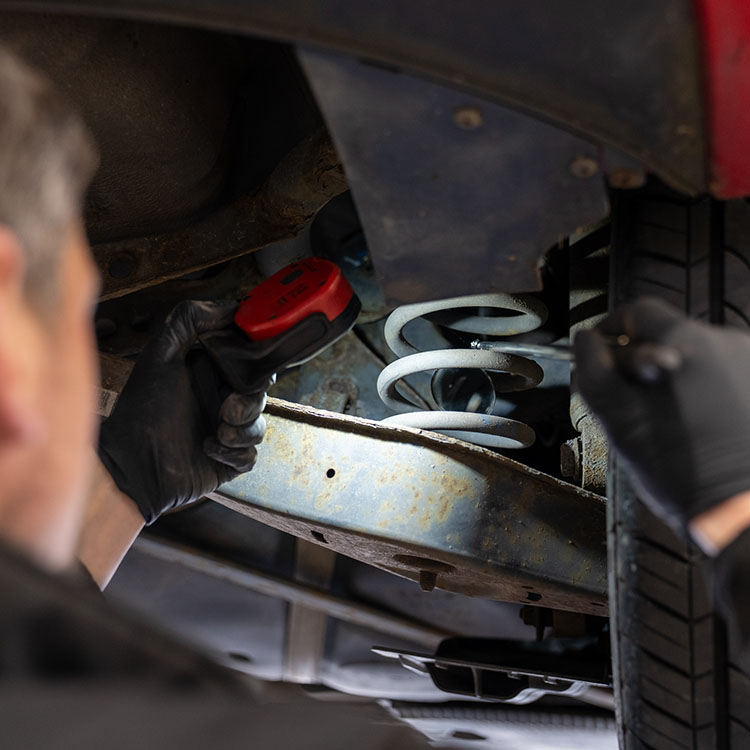
Suspension repairs in Worcester
Our Suspension Services Include:
- Suspension fault diagnosis, including knocks, clunks, creaks, vibration and handling problems
- Coil springs, shock absorbers, struts, top mounts and suspension bearing replacement
- Suspension arms, control arms, bushes and ball joint replacement
- Anti-roll bars, drop links, bushes, wheel bearings and associated suspension repairs
- Air suspension diagnostics and repairs, including air springs, air struts, compressors, valve blocks and ride-height sensors
- Electronic, adaptive and hydraulic suspension diagnostics and repairs, including Mercedes-Benz AIRMATIC, ABC and E-ACTIVE BODY CONTROL, BMW EDC and Adaptive M Suspension, Volkswagen DCC, Audi Adaptive Air Suspension, DRC and Magnetic Ride, Porsche PASM and PDCC, and Tesla Adaptive Air Suspension
- Suspension geometry checks and 3D full four-wheel alignment following repairs where required
Common suspension problems we fix
Worn/leaking shock absorbers, struts, springs and top mounts
Worn/perished suspension arms, bushes and ball joints
Air suspension leaks, compressor and ride-height faults
Adaptive, electronic and hydraulic suspension faults
Suspension knocks, poor handling and wheel alignment issues
Suspension repairs in Worcester
What are the main signs of suspension damage?
Common signs of worn or damaged suspension include:
- Knocking, clunking, creaking or squeaking over bumps and when turning
- Poor handling, excessive body movement or reduced stability when cornering
- Uneven or accelerated tyre wear
- Vehicle pulling to one side or steering that feels unsettled
- One corner of the vehicle sitting lower than the others
- Excessive dipping under braking or movement during acceleration
- Vibration through the steering wheel or vehicle
- Air suspension warning messages or the vehicle dropping when parked
- Adaptive suspension or electronic damper warning lights
Suspension symptoms can be caused by anything from worn bushes, ball joints and suspension arms to failed shock absorbers, springs, air suspension components or electronically controlled dampers, so correctly identifying the source of the fault is important before replacing parts.
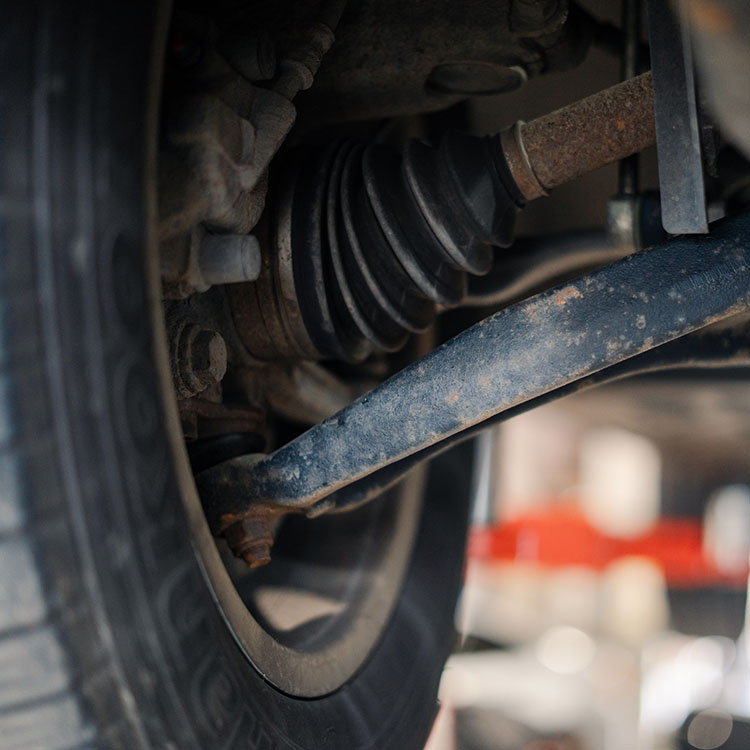
How It Works
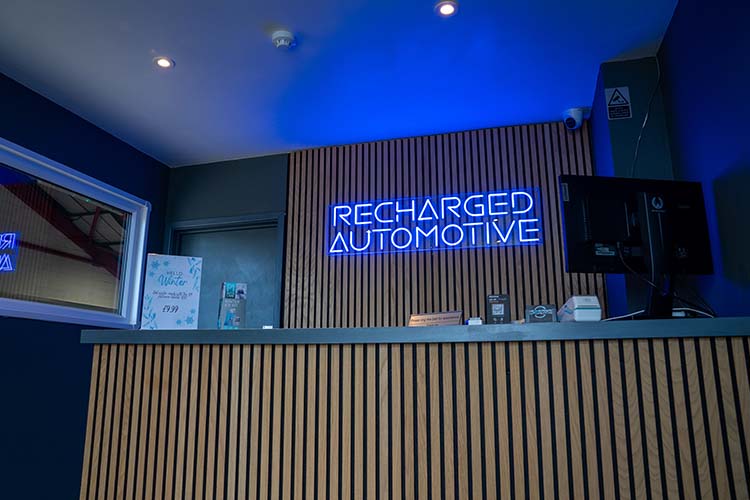
Contact Us
Get in touch with our team to discuss your vehicle, the issues you’re experiencing or any servicing and repair work you may require.
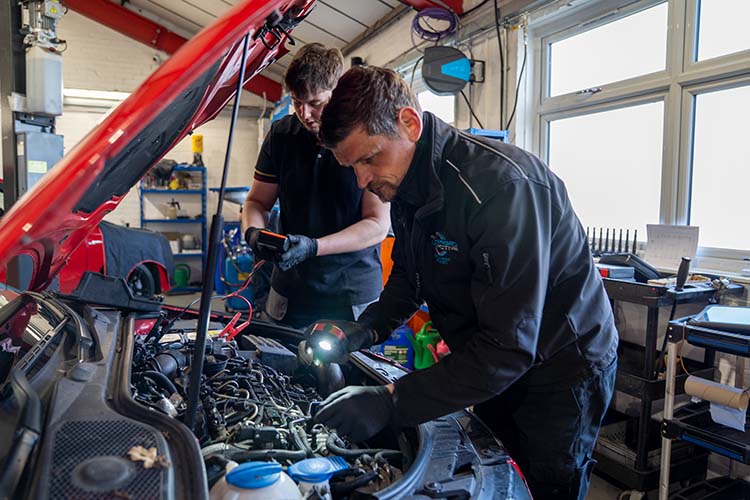
We Get To Work
Our experienced technicians carry out thorough inspections, diagnostics, servicing and repair work using quality parts and trusted workshop equipment.
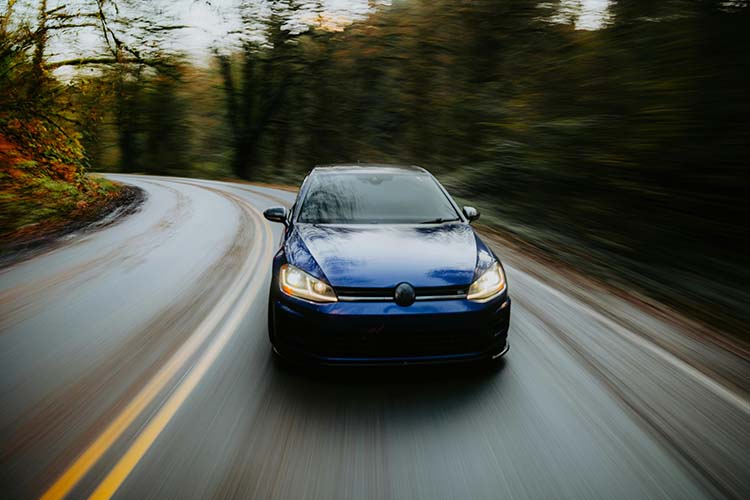
You're Back On The Road
Once the work is complete, your vehicle is ready to get back on the road performing safely, reliably and at its best.
Why choose Recharged Automotive?
60+ Years Experience
Experienced technicians with German vehicle expertise

German Vehicle Specialists
Audi, BMW, Mercedes-Benz, Volkswagen, Porsche & more

250+ GOOGLE REVIEWS
Customers value our honest advice and quality workmanship.
ADVANCED DIAGNOSTICS
Manufacturer-level equipment for accurate fault finding.
Recharged Automotive Worcester
What our customers are saying
Recharged Automotive
Get A Free Quote
Need help with your vehicle? Contact our team to discuss servicing, diagnostics or repair work with experienced technicians you can rely on.
FAQs | Suspension Repairs
Below you’ll find the answers to some of the most common questions about a vehicle’s suspension and how it can be repaired. Get in touch today if you notice any issues with your car’s suspension including poor handling, strange noises, or uneven tyre wear.
Why is my car pulling to one side?
A vehicle pulling to one side can be caused by incorrect wheel alignment, uneven tyre pressures or wear, suspension damage, worn bushes or ball joints, brake problems or previous impact with a pothole or kerb.
We first inspect the tyres, steering and suspension for faults before carrying out alignment. Where required, we use our dedicated alignment ramp and 3D four-wheel alignment system to accurately measure and adjust the vehicle’s suspension geometry.
What causes uneven tyre wear and does my car need four-wheel alignment?
Uneven tyre wear is commonly caused by incorrect wheel alignment, worn suspension components, incorrect tyre pressures or impact damage from potholes and kerbs.
Four-wheel alignment measures the relationship between all four wheels rather than simply adjusting the front tracking. If suspension arms, bushes, ball joints, springs or other geometry-affecting components have been replaced, we will recommend alignment where appropriate.
Our dedicated 3D alignment system uses camera targets to accurately measure wheel angles against the correct vehicle specifications, ensuring your alignment and steering wheel centre are perfect.
Why is my air suspension dropping overnight?
If an air suspension vehicle drops on one corner, one axle or across the whole vehicle while parked, the system is likely losing air somewhere.
Common causes include leaking air springs or air struts, damaged air lines or fittings, valve block faults and internal leaks. A compressor can also become worn if it has been repeatedly running to compensate for an existing leak.
Leaving the fault unresolved can put excessive strain on the compressor and significantly shorten its life. It is not uncommon for a weak compressor to fail shortly after the original leak has finally been repaired because it has already been overworked for months. Repeated pressure loss can also allow moisture into the air suspension system, which can contribute to corrosion, valve block problems and further faults.
The correct approach is to find and repair the source of the leak first, then assess the condition and performance of the compressor and remaining system rather than simply replacing parts.
Can you diagnose Mercedes AIRMATIC, BMW Adaptive/EDC, Audi Adaptive Air Suspension, Volkswagen DCC and Porsche PASM faults?
Yes. We diagnose conventional, air, adaptive and electronically controlled suspension systems across the vehicles we specialise in, including:
- Mercedes-Benz AIRMATIC, ABC and electronically controlled suspension
- BMW EDC, Adaptive Suspension and Adaptive M Suspension
- Audi Adaptive Air Suspension, DRC and adaptive damping
- Volkswagen DCC Adaptive Chassis Control
- Porsche PASM, air suspension and PDCC
- Tesla Adaptive Air Suspension and electronically controlled damping systems
These systems can involve electronic dampers, air springs, compressors, valve blocks, accelerometers, ride-height sensors, control units and vehicle communication networks. Correct diagnosis can therefore require manufacturer-level diagnostics alongside electrical and mechanical testing rather than simply replacing the component mentioned in a warning message.
What are the most common suspension and air suspension fault codes?
Suspension fault codes vary by manufacturer and vehicle, but common examples associated with air suspension, adaptive damping and ride-height systems include:
- Mercedes-Benz C156B00: compressed-air reservoir filling time exceeded
- Mercedes-Benz C156C00: compressed-air distribution system leak
- Mercedes-Benz C157200: suspension filling or correction time too long
- Mercedes-Benz C155664: air suspension pressure sensor implausible signal
- Audi / Volkswagen C1046: ride-height system plausibility fault
- Audi / Volkswagen C1048: ride-height sensor mechanical fault
- Audi / Volkswagen 01583: air suspension system leak detected
- BMW 030C5A / 030C5B / 030C5C / 030C5D: ride-height sensor implausible value faults on applicable adaptive suspension systems
- Porsche C10B804 / C10B904 / C130B04: PASM body acceleration sensor faults
- Porsche B2F0100: PASM damper control system shut-down fault
Tesla suspension faults are generally presented as manufacturer-specific diagnostic alerts through Tesla Toolbox rather than conventional P-codes.
A suspension fault code does not automatically identify the failed component. Air leaks, wiring faults, sensors, compressors, valve blocks, control units, mechanical wear and software issues can produce similar symptoms, so the system needs to be correctly tested before parts are replaced.
Can you fit coilovers or other performance suspension?
Yes. We can fit a wide range of performance suspension upgrades, including coilovers, lowering springs and uprated dampers from brands such as KW, Bilstein, H&R, Eibach.
We can also inspect the existing suspension before installation and advise if any worn bushes, mounts, arms or other components should be addressed at the same time.
Once fitted, we carry out a complete four-wheel alignment and road test the vehicle to ensure the suspension is set correctly and the steering wheel is straight.
Can damaged suspension result in an MOT failure?
Yes, damaged suspension will result in an MOT fail, and accounts for approximately 13-21% of all MOT failures. The most common issues include:
- Fractured springs
- Leaking shock absorbers
- Worn suspension bushings
Can I drive with damaged suspension?
It’s highly advised not to drive a vehicle if you notice any issues with the suspension. Not only can this be unsafe, but it can also lead to more expensive repairs being required further down the road. It’s important to get your vehicle checked as soon as possible if you notice any signs of a damaged suspension.
How often should the suspension be checked?
It’s recommended to get your vehicle’s suspension checked at least annually or every 10,000 miles, whichever comes first. This can be performed as part of a full service, to identify any issues before they become dangerous or costly.
Why does my car make a noise when going over bumps?
A clunking noise when going over a bump is a common indication of worn suspension components such as bushings or ball joints. Getting this inspected by a mechanic early is important to prevent costly repairs in the future.
Do I need a wheel aligment after the suspension is repaired?
In most cases, the wheel alignment will need to be checked and adjusted following any repairs being carried out on the suspension. We offer a wheel alignment service so can include this in the cost of our quote.
How long do the suspension components last?
The exact amount of time the different suspension components last on a vehicle is highly variable and depends on the make and model, and driving style. Here are some estimates:
- Shock absorbers and struts: 50,000-100,000 miles
- Ball joints: 75,000-150,000 miles
- Bushings: 75,000-125,000 miles
How do I book a suspension check or repair in Worcester?
Get in touch to book your vehicle in. Our team of expert mechanics will assess your vehicle’s suspension and advise on any repairs needed. We have over 30 years of experience in the trade, and have positioned ourselves as the go-to garage in Worcester with a 4.9 star Google rating.
Let's get you back on the road.
German car specialists delivering expert servicing, diagnostics and repairs to keep your vehicle performing at its best and get you back on the road with confidence.