
OUR SERVICES
Oil & Fluid Leak Diagnosis & Repairs
Here at Recharged Automotive in Worcester, we can assess the cause of an oil leak, repair any damaged parts, and refill the oil to the correct level again. Oil leaks can lead to severe engine damage if left ignored, so it’s crucial to get them diagnosed and repaired as soon as possible.
Oil & Fluid Leak Repairs in Worcester
Oil and fluid leaks can originate from many areas of a modern vehicle, including worn gaskets and seals, engine oil sumps, oil filter housings, rocker covers, turbocharger oil lines, gearbox and transmission seals, differentials, transfer cases and cooling systems. We use specialist diagnostic methods to accurately identify the source of engine oil, coolant, gearbox oil and other vehicle fluid leaks before repairing the underlying fault and replenishing the correct fluid to the required level.
Recharged Automotive
Get A Free Quote
Speak to our team about any issues, servicing, diagnostics or repair work for your vehicle. Reliable workmanship and honest advice from experienced technicians.
- 01905 458156
- hello@rechargedautomotive.com
- Mon-Fri 8am-5pm
- Unit 10, Checketts Lane Industrial Estate, Checketts Lane, Worcester, WR3 7JW
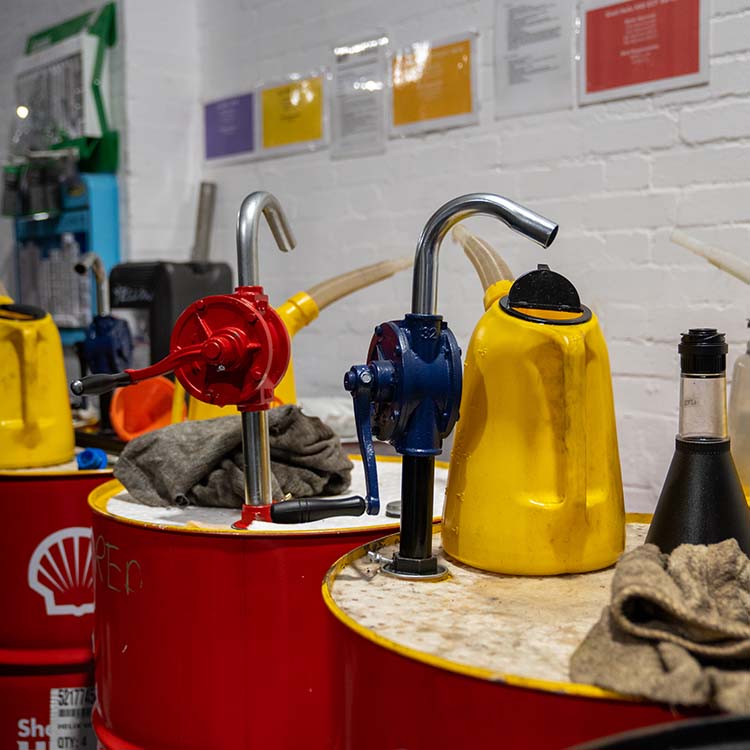
Oil & Fluid Leak repairs in Worcester
Our Oil Leak Repair Services Include:
- Engine Oil Leak Diagnosis & Repairs
- Coolant Leak & Cooling System Repairs
- Gearbox & Transmission Fluid Leak Repairs
- Differential & Transfer Case Oil Leak Repairs
- Gasket, Seal, Pipe & Housing Replacement
- Fluid Level Correction & Replenishment
Why Are Engine Oil & Other Vehicle Fluids So Important?
Modern vehicles rely on a range of oils and fluids to lubricate, cool, protect and operate critical mechanical systems. Engine oil protects internal engine components, while transmission and differential oils lubricate gears and bearings, and coolant controls engine, battery and component temperatures.
A fluid leak can cause the level to fall, resulting in poor lubrication, overheating or loss of system operation. If ignored, even a relatively small engine oil, coolant, gearbox or differential leak can eventually cause significant mechanical damage and expensive repairs.
Oil & Fluid Leak Repairs In Worcester
How is an oil or fluid leak repaired?
The first step is to accurately identify where the fluid is leaking from. Oil and coolant can travel across the engine, gearbox and underbody components, meaning the area where a leak becomes visible is not always the original source.
Where a leak is minor or its source cannot be immediately confirmed, we may thoroughly clean the affected area and ask the customer to complete some mileage before returning for inspection. This allows fresh fluid to trace back to its true source and helps avoid replacing components unnecessarily.
Once identified, we can repair or replace the affected seals, gaskets, pipes, housings or components before replenishing the engine oil, coolant, gearbox oil or other fluid as required. The system is then rechecked to confirm the repair.
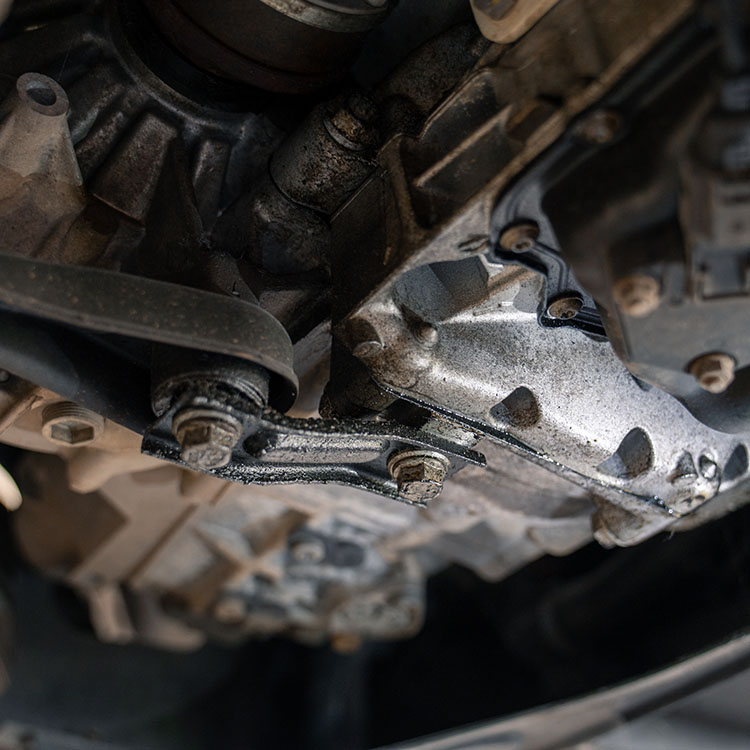
How It Works
Contact Us
Get in touch with our team to discuss your vehicle, the issues you’re experiencing or any servicing and repair work you may require.
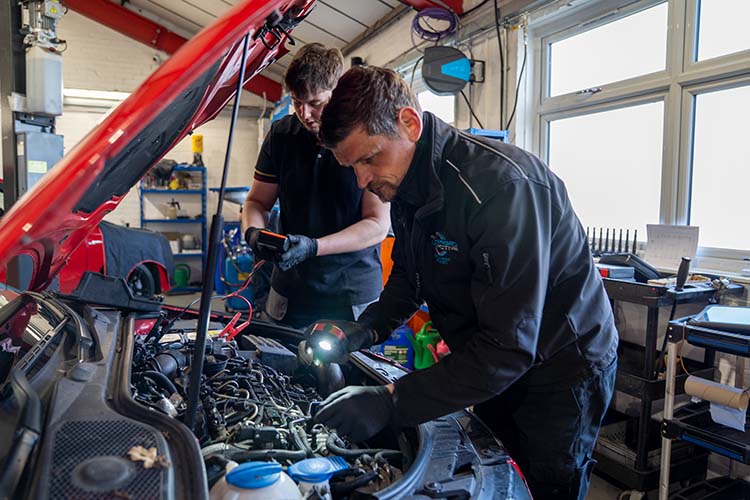
We Get To Work
Our experienced technicians carry out thorough inspections, diagnostics, servicing and repair work using quality parts and trusted workshop equipment.
You're Back On The Road
Once the work is complete, your vehicle is ready to get back on the road performing safely, reliably and at its best.
Why choose Recharged Automotive?

60+ Years Experience
Experienced technicians with German vehicle expertise

German Vehicle Specialists
Audi, BMW, Mercedes-Benz, Volkswagen, Porsche & more

250+ GOOGLE REVIEWS
Customers value our honest advice and quality workmanship.

ADVANCED DIAGNOSTICS
Manufacturer-level equipment for accurate fault finding.
Recharged Automotive Worcester
What our customers are saying
Recharged Automotive
Get A Free Quote
Need help with your vehicle? Contact our team to discuss servicing, diagnostics or repair work with experienced technicians you can rely on.
FAQs | Oil & Fluid Leak Repairs
Below you’ll find the answers to some commonly asked questions about oil leaks and how they can be diagnosed and repaired. If you notice an oil leak (usually a dark brown puddle), get in touch with our team today.
What are the main causes of an engine oil leak?
There are several possible causes of an oil leak. The most common ones include:
- Worn gaskets and seals – over time, the rubber can become brittle and cracked due to exposure to heat, and this can cause the oil to leak out.
- Loose or damaged oil filter – if the oil filter is damaged or not tightened properly, this can cause the oil to leak and usually happens after a recent oil change.
- Damaged/ loosely fitted drain plug – the drain plug may have not been tightened properly, or have a loose or missing gasket.
- Overfilling the oil – if the oil is overfilled, it will create excessive pressure and can cause leaks.
- Old or dirty oil – old/ dirty oil becomes thick and sludgy, putting increased pressure on the seals and gaskets and causing them to wear and become damaged.
- Damage to the oil pan – this can become cracked due to impact from rocks or other debris as it sits at the bottom of the engine.
What does an oil or fluid leak look like?
The appearance of a fluid leak depends on which system it is coming from. Engine oil is typically brown or black, while coolant may be pink, red, blue, green or another colour depending on the vehicle and coolant specification. Gearbox, transmission and differential oils can range from relatively clear or amber when new to dark brown as they age.
Other signs of a fluid leak can include…
- Puddles or wet patches underneath the vehicle
- A burning oil or fluid smell
- Oil or coolant warning messages
- Falling fluid levels
- Visible wetness around the engine, gearbox or underbody
- Steam or signs of overheating from a coolant leak
Not every fluid underneath a vehicle indicates a fault. Clear water beneath the car can simply be condensation from the air-conditioning system. If you’re unsure what is leaking, we can identify the fluid and determine where it is coming from.
What happens if you ignore an oil leak?
Ignoring an oil or fluid leak can eventually cause serious and expensive damage. Even a small leak can gradually lower the fluid level until the affected system no longer has sufficient lubrication, cooling or hydraulic pressure.
Some systems only contain a relatively small quantity of oil or fluid to begin with. A leak that appears minor externally can therefore represent a significant percentage of the system’s total capacity, making early diagnosis particularly important.
Depending on which fluid is leaking, this can result in…
- Engine damage – low engine oil can cause accelerated wear, oil pressure problems, turbocharger damage and, in severe cases, complete engine failure
- Gearbox or transmission damage – low transmission fluid can cause poor lubrication, overheating and internal gearbox damage
- Differential or transfer case damage – these can contain relatively small quantities of oil, meaning even a minor leak can significantly reduce the available lubrication and damage bearings and gears
- Overheating – a coolant leak can cause the engine or other temperature-controlled systems to overheat
- Safety and MOT concerns – leaking fluids can contaminate other components, create burning smells or smoke and, depending on the severity and location, contribute to an MOT failure
A minor leak does not always require immediate major repair, but it should be assessed so its source, severity and potential risk can be established before it develops into a much more expensive problem.
Can I carry on driving if the engine oil is low?
If the engine oil level is below the minimum mark, the vehicle should not be driven until the oil has been topped up to the correct level using the correct specification of engine oil. Driving with insufficient oil can cause loss of lubrication and serious engine or turbocharger damage.
The oil level should be maintained between the minimum and maximum markers. We generally recommend around 50 to 75% of the indicated range rather than filling right to the maximum, as the oil level can increase when hot and some vehicles may display an overfill warning.
Depending on the vehicle, the oil level may be checked using a conventional dipstick, an electronic oil level measurement through the dashboard or infotainment system, or both.
Importantly, a red oil pressure warning is different from a low oil level warning. If the red oil pressure warning light appears, stop the engine as soon as it is safe to do so and do not continue driving. Low oil pressure can cause severe engine damage very quickly.
If the oil level repeatedly drops, simply topping it up is not a permanent solution. The vehicle should be checked for an engine oil leak, excessive oil consumption or another underlying fault.
How can I prevent oil & fluid leaks?
Not all oil and fluid leaks can be prevented. Gaskets, seals, hoses, pipes and housings naturally deteriorate with age, mileage and repeated heat cycles, while excessive crankcase pressure, corrosion, physical damage or previous repairs can also cause leaks.
The best way to reduce the risk of a leak developing into a more serious problem is to…
- Have the vehicle serviced and inspected annually
- Use the correct specification engine oil and vehicle fluids
- Maintain the correct fluid levels without overfilling
- Repair cooling system, breather and crankcase ventilation faults promptly
- Investigate unexplained oil, coolant or fluid loss rather than repeatedly topping it up
- Have minor leaks monitored and repaired where appropriate
This is one of the reasons our annual servicing and inspection is so important. A developing engine oil, coolant, gearbox, differential or transfer case leak may go completely unnoticed during normal driving. Regular inspection allows us to identify developing leaks and fluid loss early, before they result in poor lubrication, overheating or potentially major mechanical failure.
Regular servicing won’t magically prevent a gasket or seal from eventually leaking, but it gives us the opportunity to identify developing problems before fluid loss causes significantly more expensive damage.
Why does my car smell of burning oil?
A burning oil smell often occurs when engine oil, gearbox oil or another vehicle fluid leaks onto a hot component such as the exhaust manifold, turbocharger, downpipe or exhaust system. Even a relatively small fluid leak can produce a strong smell once the vehicle reaches operating temperature.
Common causes include leaking rocker or cam covers, oil filter housings, vacuum pumps, turbocharger oil pipes, gearbox and transmission seals, differentials and other gaskets or housings. Mercedes-Benz and BMW engines are particularly well known for developing cam/rocker cover oil leaks, while transmission leaks can also allow fluid to reach the exhaust and create a noticeable burning smell.
Oil spilled during servicing or when topping up can also cause a temporary burning smell as it burns away from hot components. (At Recharged Automotive, we use dedicated screw-in oil filling funnels to help prevent oil spills during servicing and oil changes.)
If oil or another fluid reaches sufficiently hot components it can produce smoke and, in more serious cases, present a fire risk. A persistent burning oil or fluid smell should therefore be investigated to identify exactly what is leaking and where it is coming from.
What are the most common oil leaks on a BMW, Mercedes-Benz, Audi & Volkswagen vehicles?
Oil leaks are relatively common as vehicles age, although the location varies considerably depending on the engine, gearbox and model. Some of the common areas we see across German vehicles include…
- BMW – rocker/cam cover gaskets, oil filter housings, oil cooler seals, vacuum pumps, oil sumps and turbocharger oil pipes
- Mercedes-Benz – rocker/cam covers, oil filter and oil cooler housings, vacuum pumps, turbocharger oil lines, timing cover areas and gearbox leaks
- Audi & Volkswagen – rocker/cam covers, camshaft adjuster and timing cover areas, oil filter housings, vacuum pumps, oil sumps, turbocharger oil pipes and DSG/S tronic gearbox leaks
- Porsche – cam/rocker covers, timing cover areas, oil filter housings, oil sumps, oil cooler connections and PDK transmission leaks
- MINI – rocker/cam covers, oil filter housings, vacuum pumps, oil cooler seals, oil sumps and turbocharger oil lines
- SEAT, CUPRA & Škoda – commonly share Volkswagen Group engines and transmissions, so many of the same oil leaks are found around cam covers, timing covers, oil filter housings, vacuum pumps, turbocharger oil lines and DSG gearboxes
The visible location of an oil leak does not always identify its source. Engine oil and transmission fluid can travel considerable distances across undertrays, engine components and the vehicle’s underbody, so the system often needs cleaning and inspecting before the true source can be confirmed.
How do I get an oil leak repaired in Worcester?
If you’ve noticed or suspect an oil leak on your car, get in touch today. We can assess the vehicle and provide a quote to fix the leak and get your vehicle running smoothly again.
Let's get you back on the road.
German car specialists delivering expert servicing, diagnostics and repairs to keep your vehicle performing at its best and get you back on the road with confidence.